
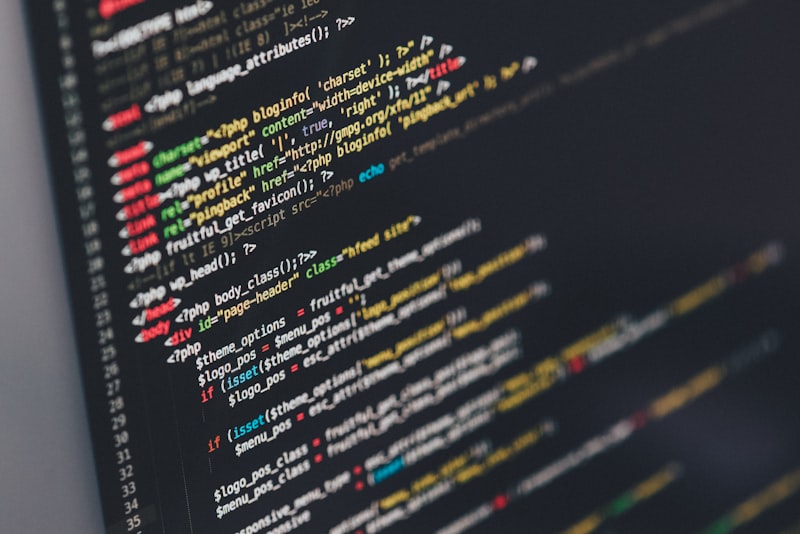
Right now, as you read this, your browser is doing something remarkable. It downloaded a file full of code, interpreted three different programming languages, and turned them into the words, colours, and buttons you can see and click. How does it all work? Let's pull back the curtain.
Every website on the internet — from Google to YouTube to CodeEarly — is built using three core languages: HTML, CSS, and JavaScript. They each do a completely different job.
HTML: The skeleton
HTML stands for HyperText Markup Language. It's the language that defines the structure and content of a web page. HTML tells the browser what things are — headings, paragraphs, images, buttons, links.
Welcome to CodeEarly!
We teach kids aged 7 to 16 to code.
Think of HTML as the skeleton of a building. It holds everything up and gives it structure — but on its own, it looks pretty plain.
CSS: The stylist
CSS stands for Cascading Style Sheets. It's the language that controls how everything looks — colours, fonts, spacing, layouts, and animations. Without CSS, every website would just be black text on a white background.
h1 {
  color: #4f46e5;
  font-size: 32px;
  font-weight: bold;
}

button {
  background: #1a7d8c;
  color: white;
  border-radius: 8px;
  padding: 12px 24px;
}
Think of CSS as the interior designer. It takes the plain skeleton and makes it beautiful.
JavaScript: The brain
JavaScript is what makes websites interactive. When you click a button and something happens, when a menu slides open, when a quiz checks your answer — that's JavaScript at work.
// This runs when the button is clicked
document.querySelector('button').addEventListener('click', function() {
  alert('Welcome to CodeEarly! 🎉');
});
Think of JavaScript as the brain and nervous system. It makes things react to what you do.
How they work together
When you type a web address and press Enter, your browser sends a request to a server somewhere in the world. The server sends back the HTML file. Your browser then reads the HTML, finds any linked CSS and JavaScript files, downloads those too, and puts the whole page together. This usually happens in less than a second.
What about the stuff you can't see?
So far we've only talked about the frontend — what you see in the browser. But most websites also have a backend: servers, databases, and code that run behind the scenes to store your account, check your password, and deliver the right content to the right person. Backend code is often written in Python, JavaScript (Node.js), or other languages.
Want to build your own website? Start with HTML and CSS in CodeEarly's web development course. You'll have your first page live on the internet within your first few lessons.:
Found this useful? Share it!